Between January and June 2026, Dubai’s public transport, shared mobility and taxis carried around 348.1 million riders - close to 1.9 million every day.
That’s a connected, busy city. But a busy network isn’t the same as a commute that works for your team.
Where Dubai’s journeys happen
Dubai Metro: 39.2%, the largest share, at around 136.5 million riders Taxis: 25.5%, 88.9 million riders Public buses: 24.4%, 85.1 million riders Shared mobility: 25.7 million riders, covering app-based vehicles, hourly rentals and on-demand buses
Metro, taxis and buses together made up about 89% of all journeys. Most of the city relies on just three ways to get around.
What that means for employers
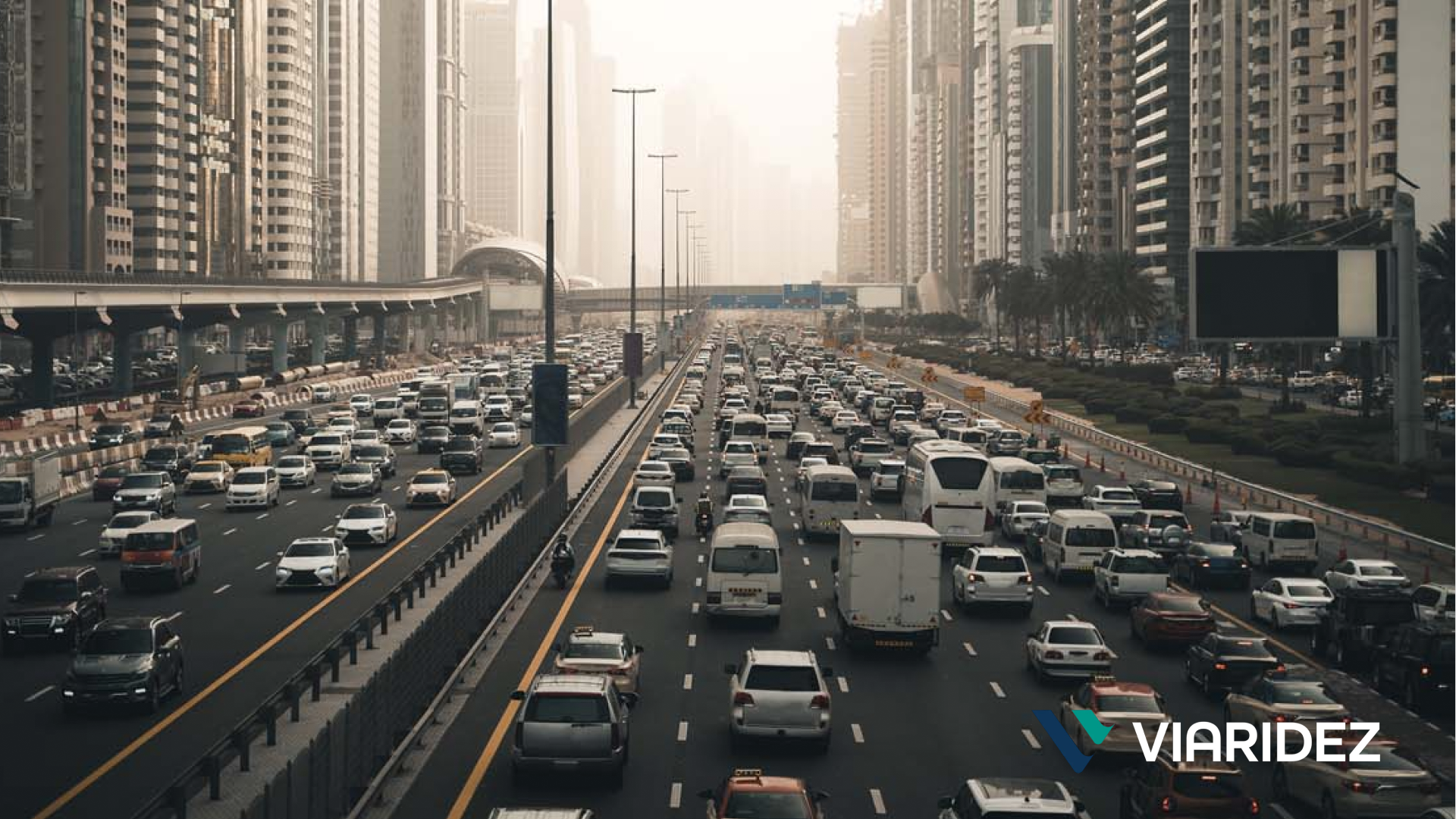
A Metro station nearby isn’t a commute solved. Business Bay Station alone handled 5 million riders in six months. Staff still face crowded peaks, last-mile gaps and long walks in the heat.
Shift workers need transport that fits the shift. Public networks run on citywide timetables. A 5 am start or a midnight handover rarely lines up with them.
Taxis are flexible, but hard to budget for. With a quarter of journeys in taxis, companies that rely on reimbursements or ad hoc rides often face unpredictable costs and little oversight.
Reliability is an operational metric. At this volume, peak-hour pressure is built into the system. Lateness isn’t an individual problem; it’s a planning problem.
Where managed staff transport fits
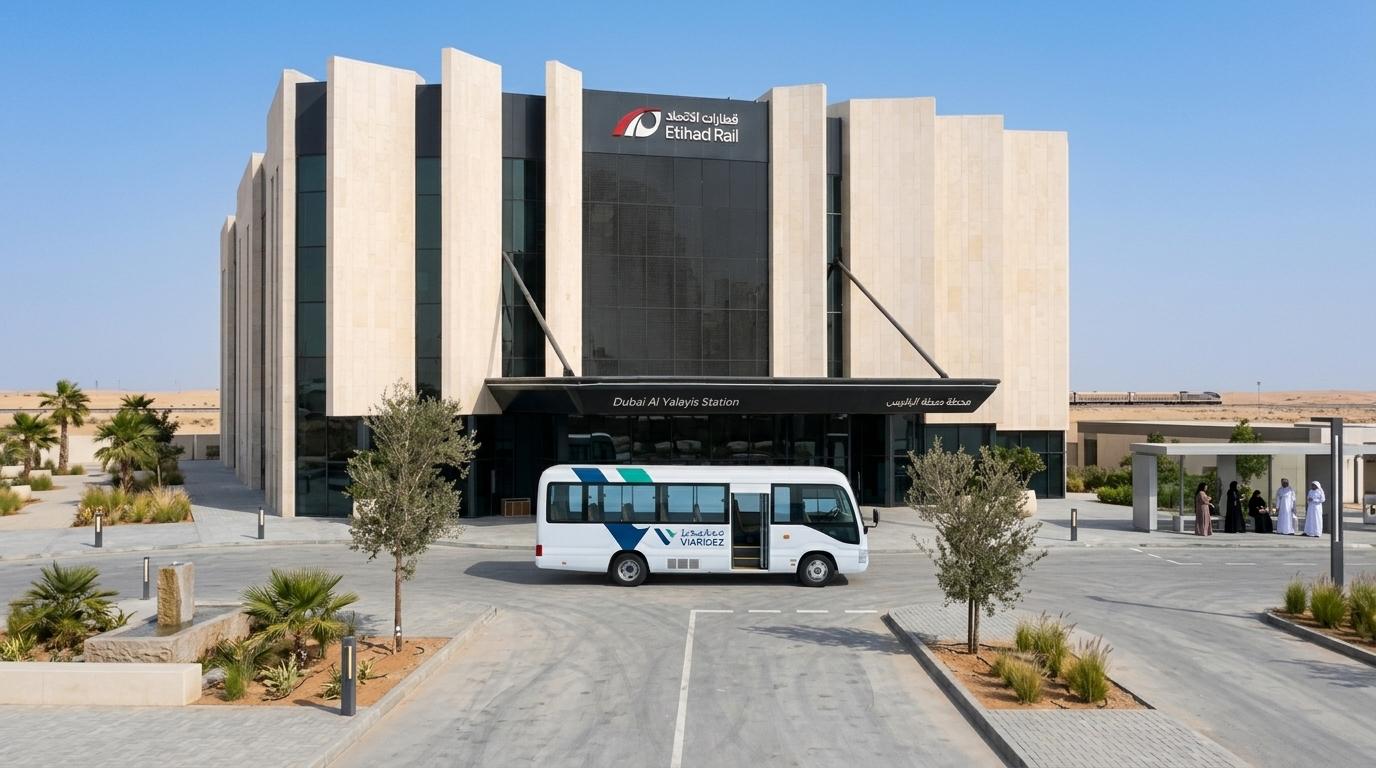
Metro and buses move the city. A managed staff shuttle moves your team: from where they live, from staff accommodation, or from a transit hub straight to the workplace. Routes and pickup times are built around your shifts, not the city’s timetable.
The result is fewer late arrivals, more predictable costs, and a commute that feels like part of the workday rather than something staff has to survive.
Your turn: How does most of your team get to work today: Metro, taxi, bus, or a company shuttle? Tell us in the comments.
Moving People. Moving Business. Moving Forward.
🔗 viaridez.ae | Your Trusted Travel Partner.