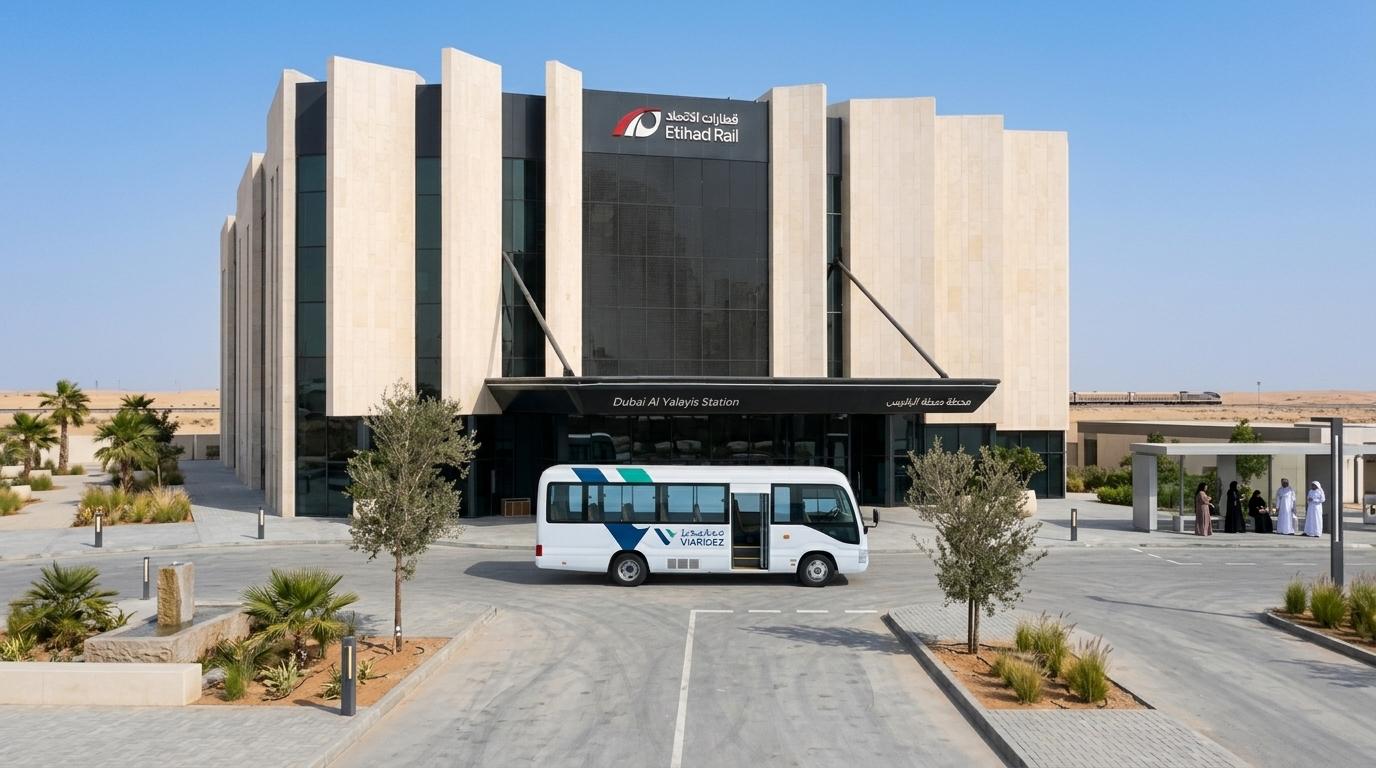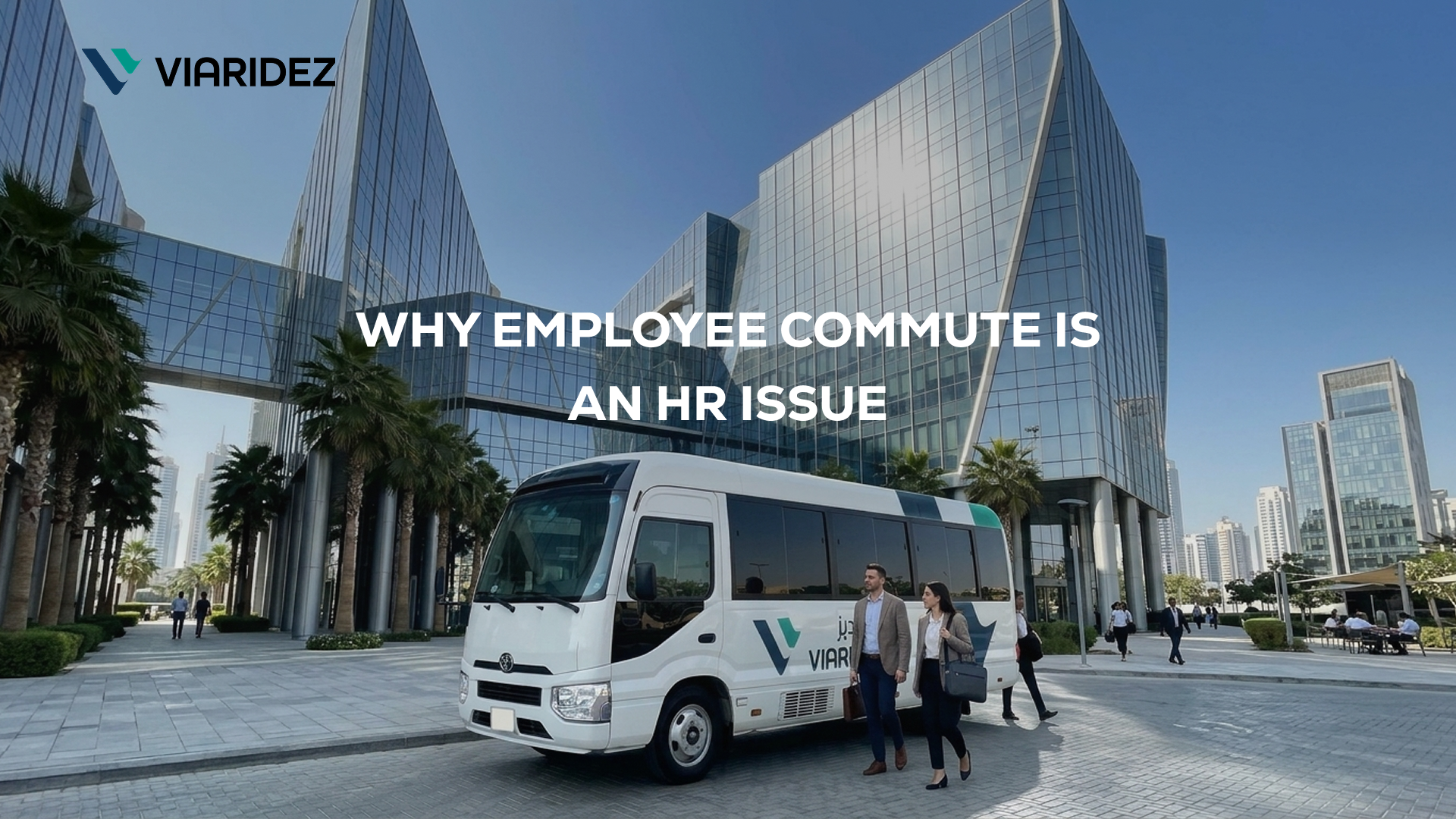
Your employees’ workday doesn’t start at the office door. It starts at the pickup point.
A delayed bus, unpredictable traffic, or a long, uncomfortable ride decides whether someone arrives focused or already drained. Most companies treat that journey as logistics. The research says it belongs in the HR conversation.
What the research shows
Longer commutes eat into recovery. Less time for sleep, family, and rest means more strain and lower job and life satisfaction. Unpredictability is its own stress. Not knowing whether you’ll arrive on time makes people start the day rushed and anxious, especially when a shift handover or meeting depends on it. Commute stress compounds work pressure. Recent research links longer commutes with more emotional exhaustion and lower job satisfaction. It hits some people harder. Shift workers, parents, and staff with little schedule flexibility feel it most. In a large randomised trial, cutting commute days reduced quit rates by a third, with the biggest effect among long-commute employees. Quality matters as much as distance. One study found that how the commute feels had a distinct effect on wellbeing, separate from how long it takes.
What employers can control
You can’t fix Dubai traffic. You can fix the experience around it:
Reliable routes and fixed timings, so people know exactly when they’ll be picked up Transport aligned to shift times, so staff aren’t waiting an hour or rushing a handover Safe, comfortable vehicles, so the ride can be a chance to rest, not something to endure Asking employees, by area, shift and role, where the commute hurts most Centralising transport, which takes a daily cost and planning burden off your people
The bottom line
A well-run staff shuttle isn’t just a line item. It’s a daily signal that the company values its people’s time, safety, and wellbeing, and that signal shows up in punctuality, morale and retention.
Your turn: Has commute stress ever cost your company a good employee? Tell us in the comments.
Moving People. Moving Business. Moving Forward.
🔗 viaridez.ae | Your Trusted Travel Partner